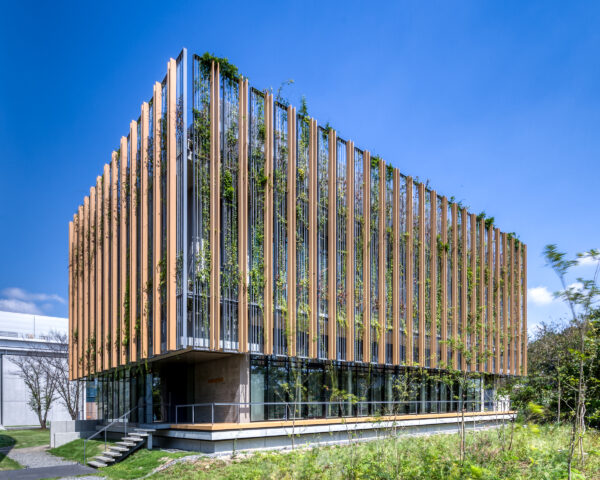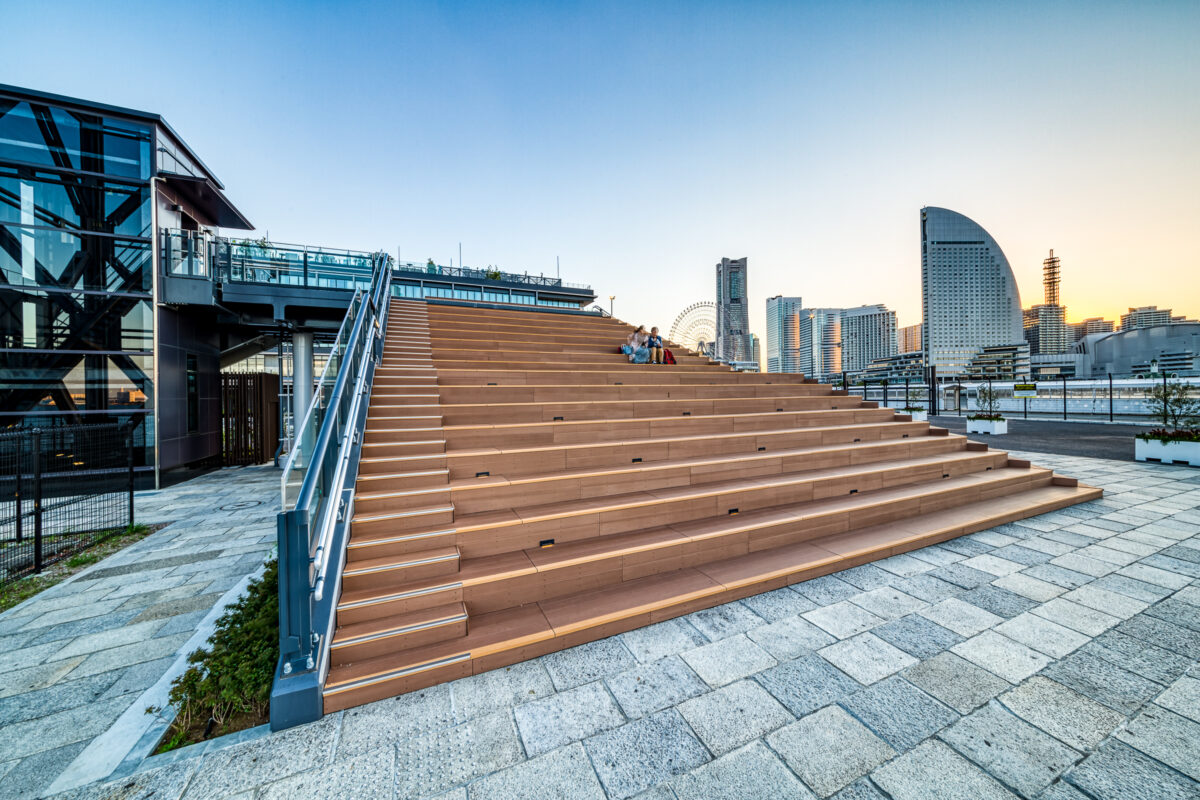

CO₂ Fixation and Wood Utilization
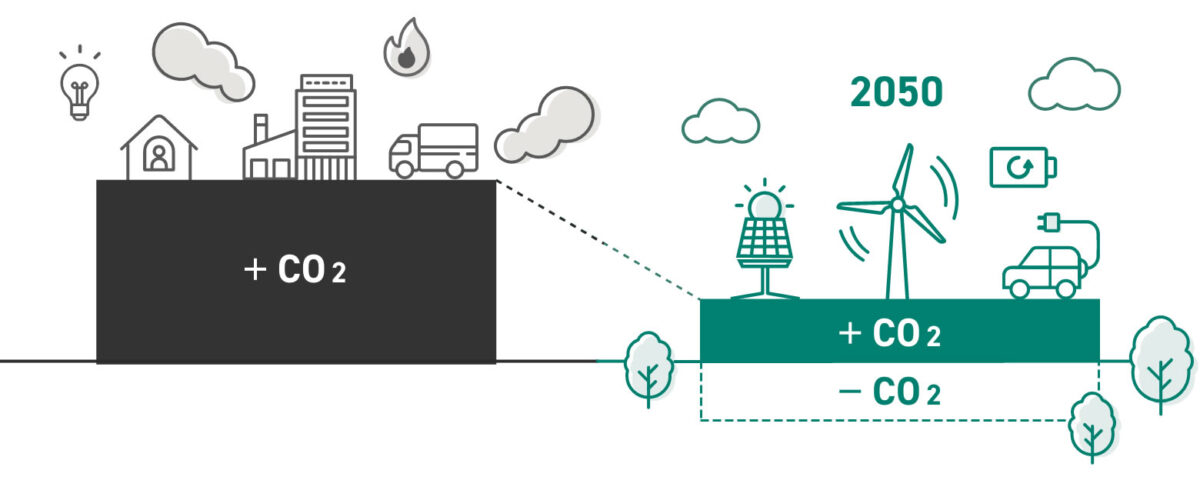
“Balancing Greenhouse Gas Emissions and Removals”
Toward the realization of carbon neutrality, the government has set the above target to be achieved by 2050.
Trees absorb CO₂ during their growth period, and as long as they do not rot or get burned, that CO₂ is not released into the atmosphere.
Utilizing wood in buildings means reducing CO₂ emissions to the Earth until the end of the building’s lifespan.
Source: Ministry of the Environment Website
Wood Utilization and PLUSWOOD
Recycled Wood for Carbon Sequestration
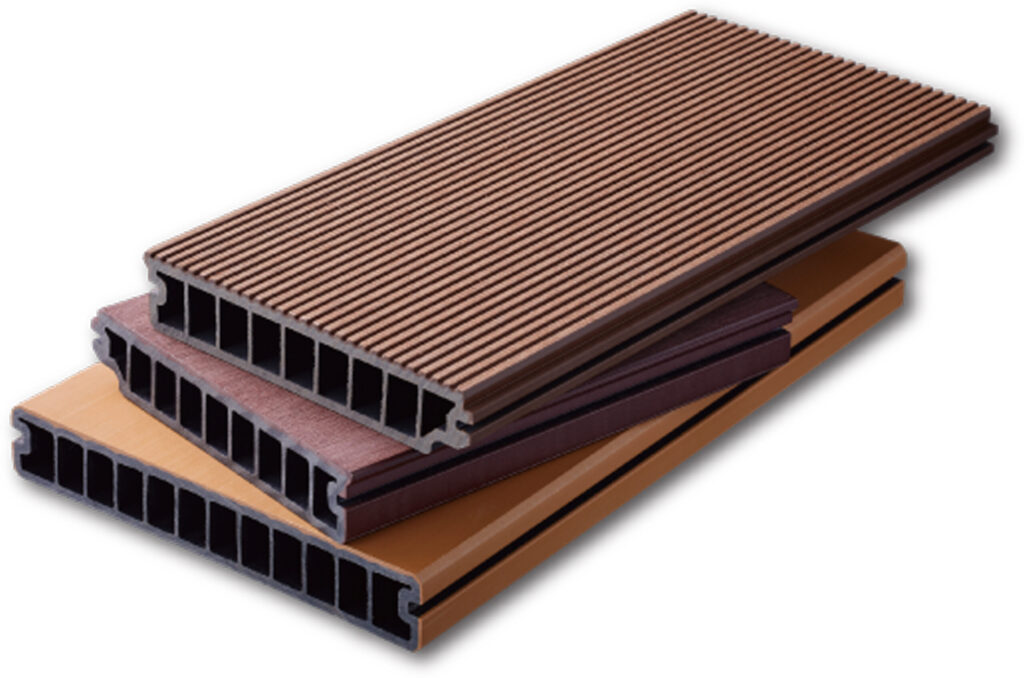
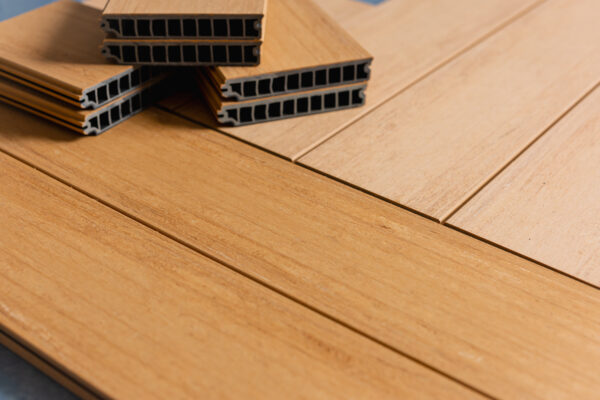
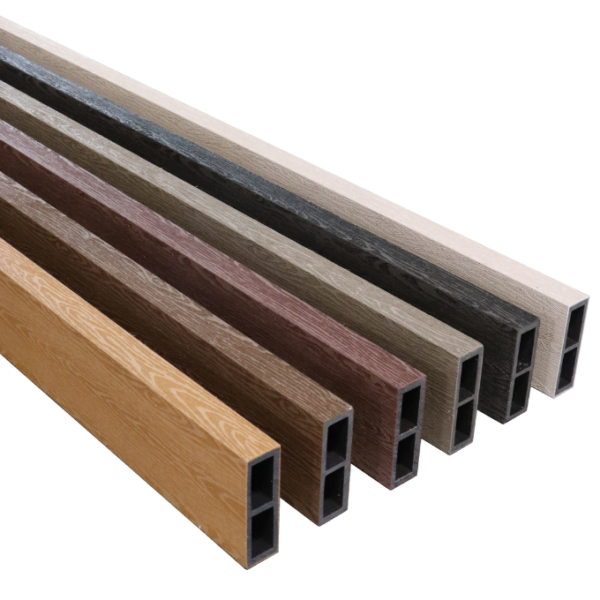
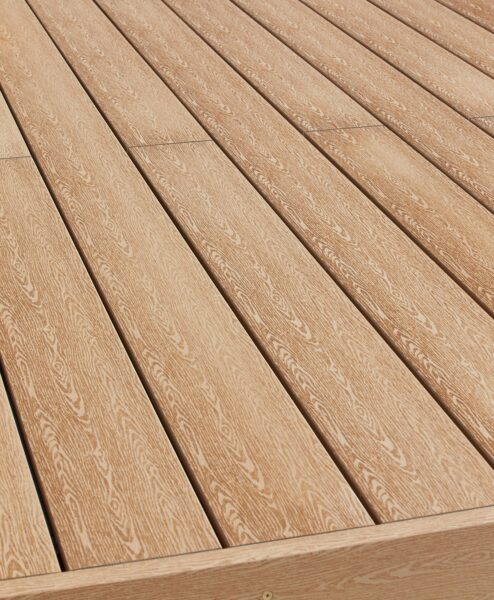
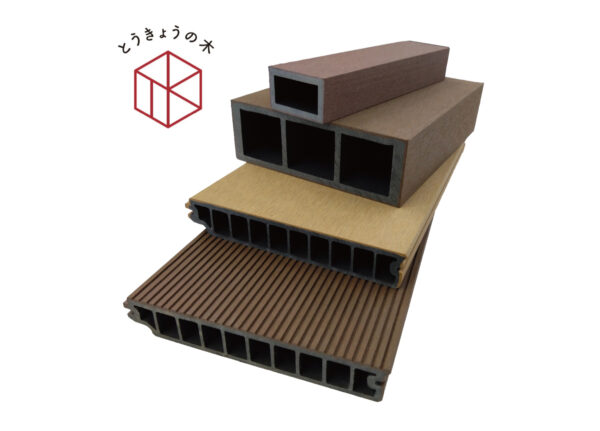
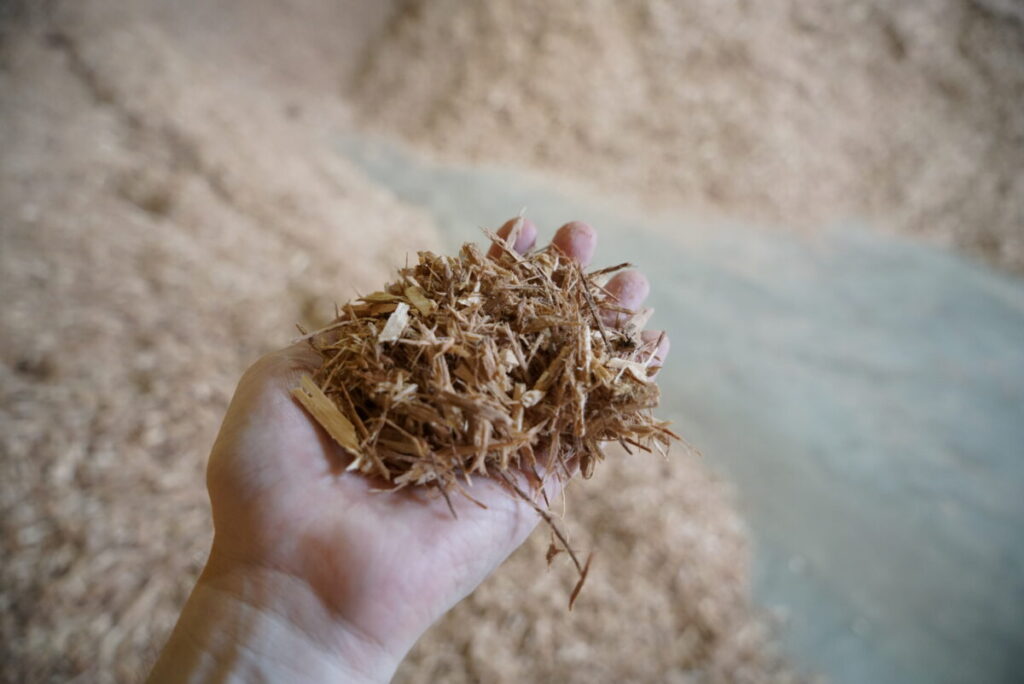
PLUSWOOD utilizes wood from various local sources, including timber from Fukui Prefecture, as well as wood cleared and processed into wood flour directly from construction sites.
While it does not fully equal the carbon storage capacity of an equivalent volume of natural timber, it still significantly contributes to carbon fixation.
Although natural wood offers unique inherent qualities such as its natural aroma and grain, concerns remain regarding its long-term outdoor durability and ongoing maintenance costs—particularly when exposed to rain and UV rays.
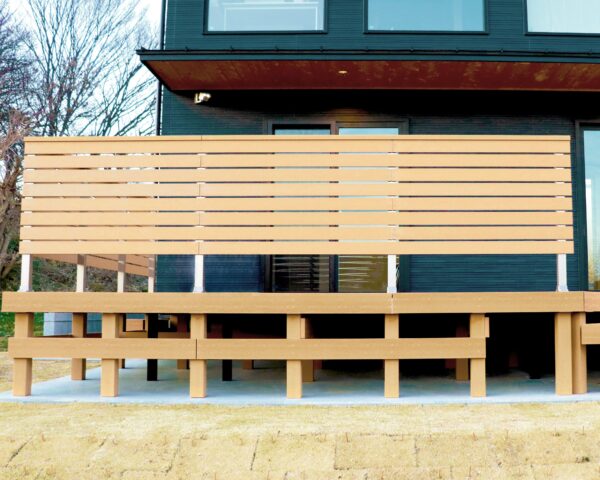
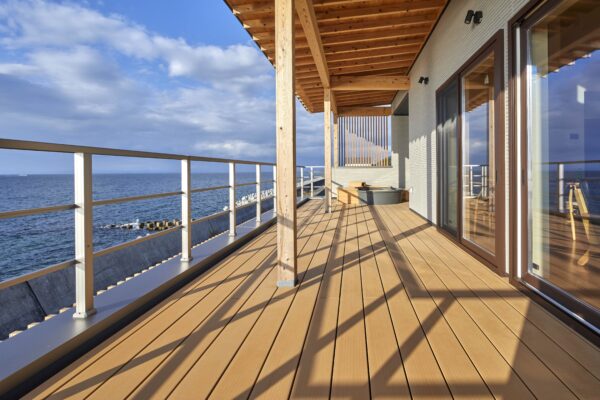
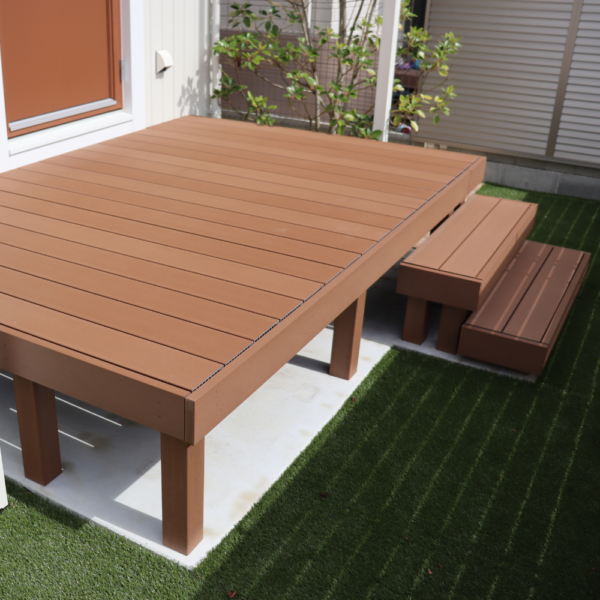
For these reasons, PLUSWOOD recycled wood continues to be the preferred choice in the market, delivering effective carbon sequestration alongside exceptional long-term durability.
Carbon Sequestration and PLUSWOOD
While natural wood has its merits…
Although natural wood offers unique inherent qualities such as its aroma and grain, concerns remain regarding its long-term outdoor durability and ongoing maintenance costs, particularly when exposed to rain and UV rays.
For these reasons, PLUSWOOD recycled wood continues to be the preferred choice in the market, delivering effective carbon sequestration alongside exceptional long-term durability.